
How AI Can Support Better Mental Health Outcomes — With Humans at the Center
Mental health care does not need to become less human to become more effective. The most effective (and responsible) path forward is one built on partnership
Mental health care does not need to become less human to become more effective. The most effective (and responsible) path forward is one built on partnership

The limitations of general-purpose AI in an emotional support context aren't what it says. They're about what it can't detect, including the markers of acute distress that a purpose-built system is specifically architected to recognize.


Healthcare payments are no longer about transactions. It’s about controlling the revenue cycle. And increasingly, that control is not sitting with ISOs.

Instead of adding more layers of complexity to an already strained system, there’s a more effective solution: make it simpler for independent clinicians to run a practice, participate in insurance networks directly, coordinate care, and provide treatment.

We cannot wait for CMS to hand us perfect blueprints for rehab. The time is now for rehab leaders to define what optimized care looks like, build these pathways using evidence and outcomes data, and then aggressively demonstrate that our services are the most effective way to align with the new strategic direction of healthcare.

Addressing the burnout demands integrated systems that lighten administrative burdens rather than compound them.

With these tools, therapists can reclaim their time, focus on their patients, and deliver the high-quality care that every individual deserves — all while maintaining the financial stability to thrive in their practices.


We have the opportunity to design systems that give people greater capacity for the work where human presence matters most: listening, understanding, reassuring, deciding, and caring.

Motivo, an online platform connecting aspiring therapists with clinical supervisors, recently closed a $14 million Series A funding round. The platform, which has clinical supervisors who are licensed in all 50 states, has already helped more than 2,500 therapists obtain their licensure.
Kickstart Seed Fund led the round, and Purple Arch Ventures, SpringTime Ventures, Service Provider Capital and Lanoha Ventures also participated.

High demand for services, a shortage of practitioners and low insurance reimbursement rates have all contributed to mental health care providers’ general lack of enthusiasm for joining provider networks, according to the study.

In the corporate world of American health care, with its consolidating hospital chains and doctors’ groups, psychologists and other mental health therapists are still mostly Mom-and-Pop shops; they’ve built solo practices, hanging their own shingles, not unlike Lucy in the Peanuts gang: “Psychiatric Help 5¢, The Doctor Is In.” But that business model is shifting […]

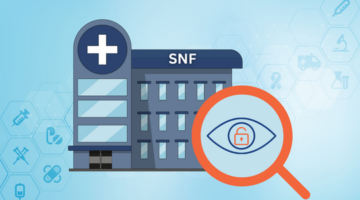
What if health plans could identify member decline before an avoidable hospitalization occurs? Real-time clinical visibility into long-stay SNF members uncovers risk earlier and drives better outcomes.